
Why Cost-to-Serve Matters More Than Ever in a Volatile Logistics Market
Recent global events have once again highlighted how exposed supply chains are to external pressures. Rising fuel costs, driven by geopolitical instability, are putting renewed pressure on logistics operations and forcing businesses to look more closely at how their supply chains are structured.
While fuel prices sit largely outside of a business’s control, how efficiently a supply chain operates does not.
This is where Cost-to-Serve has become increasingly important.
Looking Beyond the Transport Rate
Traditionally, logistics decisions have often been driven by headline transport costs - price per pallet, per load or per mile.
However, this only tells part of the story.
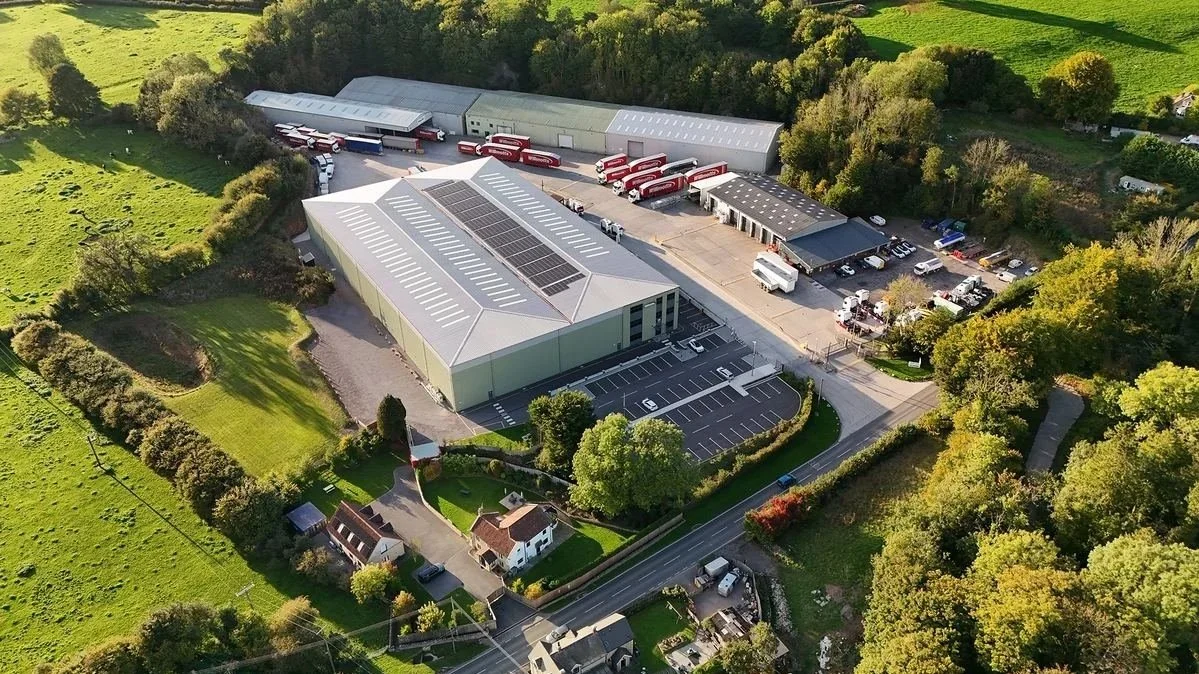
Cost-to-Serve considers the total cost involved in moving a product through the supply chain. This includes not just transport, but also warehousing, handling, storage duration, delivery complexity, administrative processes and any inefficiencies that may exist along the way.
Two supply chains with identical transport rates can have significantly different overall costs depending on how they are structured and managed.
Why This Matters Now
In a stable market, inefficiencies can often go unnoticed. But in periods of volatility - such as rising fuel costs or shifting demand patterns - those inefficiencies quickly become visible.
Increased fuel costs amplify the impact of:
Poor route planning
Under-utilised vehicles
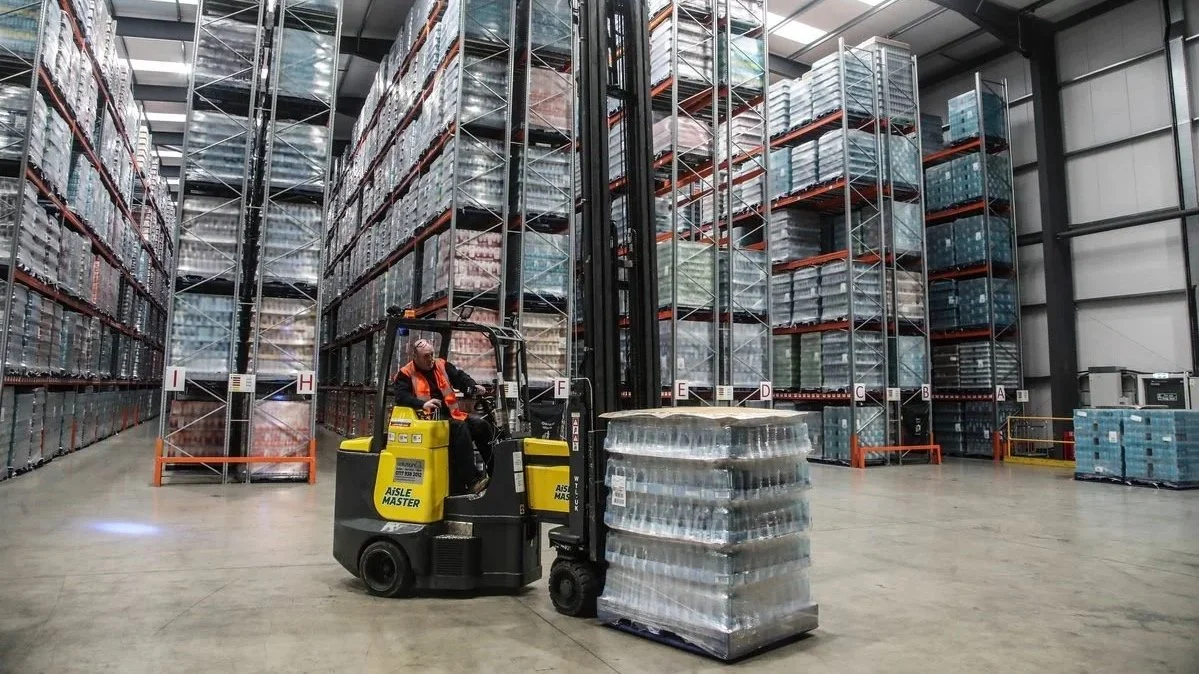
Fragmented warehousing
Reactive delivery models
Excess handling or unnecessary movements
As a result, businesses are increasingly focusing on reducing total cost-to-serve rather than simply negotiating lower transport rates.
The Role of Integrated Logistics
One of the most effective ways to reduce cost-to-serve is through a more integrated approach to logistics.
By combining transport, warehousing and distribution within a single, coordinated model, businesses can:
Reduce unnecessary handling and double movements
Improve vehicle utilisation and delivery efficiency
Position stock closer to demand
Respond more effectively to fluctuations in volume
Streamline communication and reduce administrative overhead
This approach not only reduces cost but also improves reliability and resilience across the supply chain.
From Supplier to Partner
As expectations across the FMCG sector continue to evolve, logistics providers are increasingly expected to play a more strategic role.
This means working in partnership with customers to:
Understand demand patterns and operational pressures
Identify opportunities for efficiency improvements
Support Cost-to-Serve and Cost Take Out (CTO) initiatives
Provide flexible, scalable solutions
The focus shifts from transactional transport provision to long-term supply chain optimisation.
A More Sustainable Approach to Cost
In a market where external cost pressures are likely to remain, the most sustainable approach is not simply to absorb or pass on cost increases, but to design supply chains that operate more efficiently from the outset.
The biggest cost in logistics is rarely the transport rate itself - it is everything around it.
The Willmotts Approach
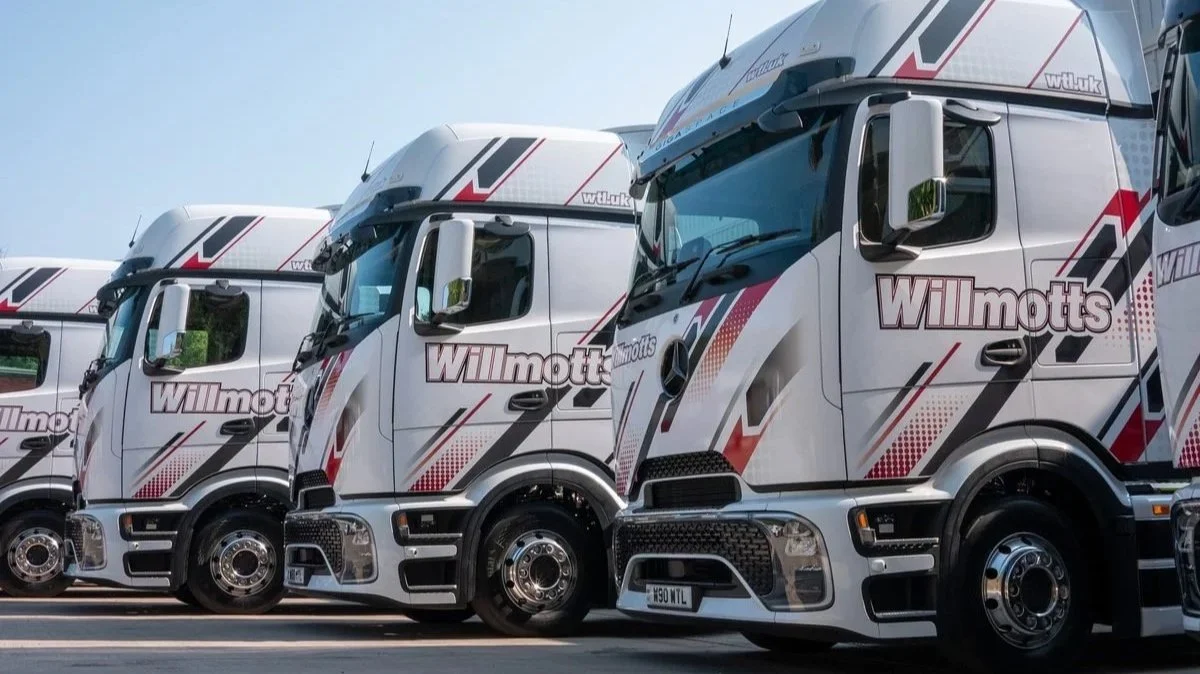
At Willmotts, our focus is on delivering integrated logistics solutions that support efficiency, reliability and long-term value.
By combining transport, warehousing and bonded storage with strong operational management and modern systems, we work closely with customers to reduce cost-to-serve while maintaining high service levels.
In a changing market, that partnership approach is more important than ever.
To discuss your cost-to-serve, get in touch below.