
Bonded warehousing has moved from operational necessity to strategic advantage in the drinks sector.
With duty increases, tighter margins and shifting demand patterns, drinks brands are looking for greater control across their supply chains. Bonded storage - particularly HMRC-approved wet bond facilities - is increasingly central to that control.
Why Demand Is Increasing
Over the past 12–18 months, interest in bonded warehousing has grown steadily.
Key drivers include:
Government-led excise duty increases
Pressure on working capital
The need to delay duty payment until point of sale
Increased scrutiny around compliance and reporting
Greater demand volatility around seasonal peaks
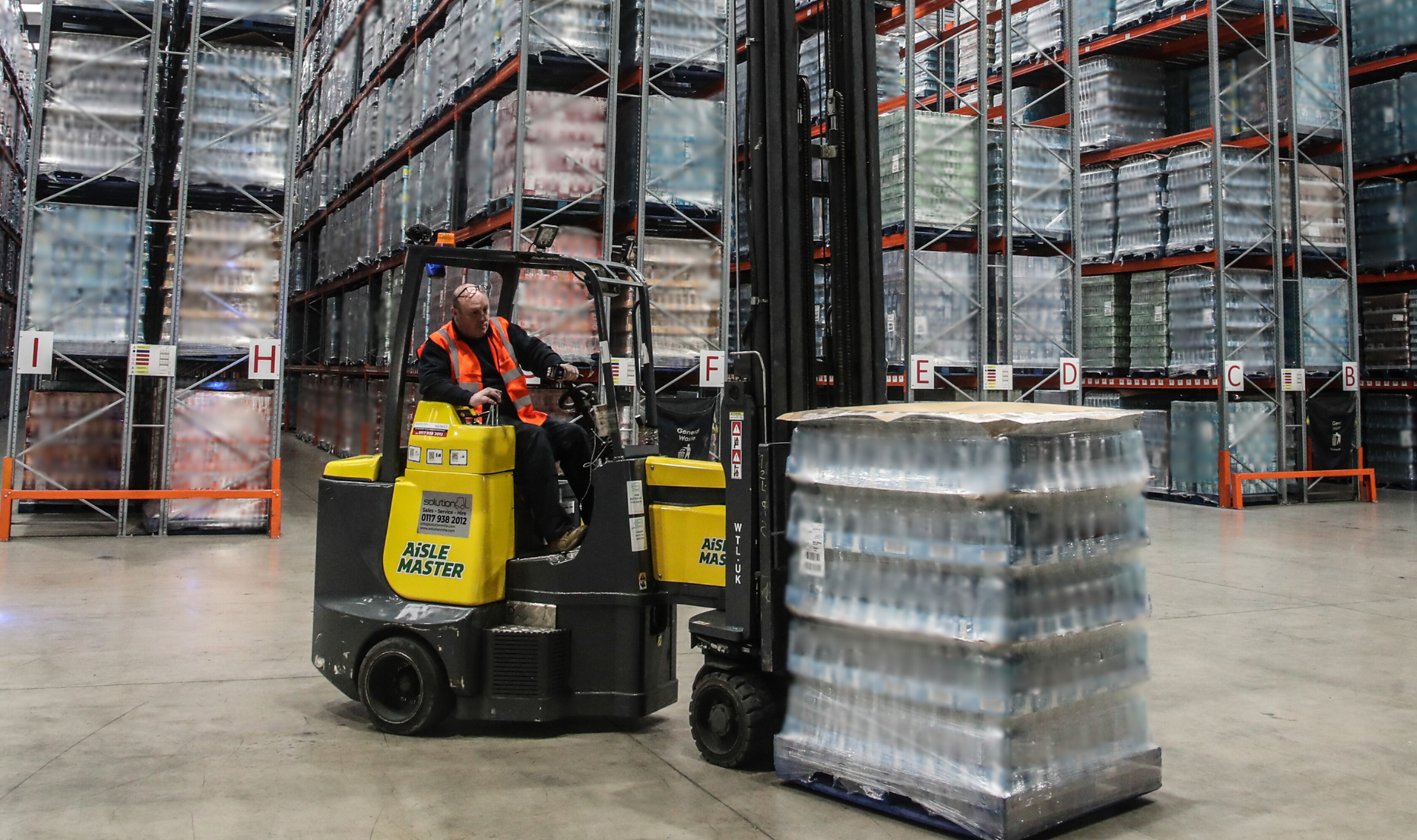
Bonded warehousing allows excise duty to be suspended until goods are released, providing valuable cash flow flexibility. But beyond the financial benefit, it enables brands to hold stock securely, build for peak and release product in line with confirmed demand.
In short: it reduces risk.
Expectations vs Operational Reality
For most of the year, expectations and operational reality are closely aligned. Where pressure builds are around peak periods such as Easter and Christmas.
Supply chains typically lag demand shifts by 24–48 hours. Production schedules, storage allocation, and transport planning all require lead time.
The issue is rarely unrealistic expectations - it’s misalignment.
When forecasting is accurate and communication is open, the system holds. When it isn’t, the strain becomes visible - particularly in bonded environments where compliance cannot be compromised.
The Complexity Behind Bonded Storage
Bonded warehousing is often underestimated.
It isn’t simply storage with additional paperwork. It requires:
Accurate excise data management
Physical and virtual stock segregation
Secure, audited warehouse environments
Robust HMRC reporting processes
Trained teams who understand excise controls
Systems capable of managing duty status in real time
One of the most common risks is relying on a single individual within a business to manage bonded knowledge. Sustainable bonded operations require embedded process discipline across teams.
When managed correctly, bonded storage becomes a stabilising force within the supply chain. When treated lightly, it can quickly become a pressure point.
Where Real Cost Savings Exist
The biggest cost opportunity in drinks logistics is rarely in headline transport rates.
It lies in cost-to-serve efficiency.
That includes:
Designing the right route-to-market model
Aligning regional delivery profiles
Reducing unnecessary handling
Planning stock build intelligently
Minimising reactive emergency movements
Splitting freight across multiple providers to save marginal cost can fragment responsibility and reduce visibility. A stable logistics partner capable of delivering bonded storage, compliant warehousing and distribution within one structure often creates greater long-term value.
Over time, that consistency compounds into improved performance and reduced risk.
What Strong Looks Like in 2026
Strong logistics partners in the drinks sector will be defined by partnership - not simply service provision.
That means:
Understanding production cycles and demand patterns
Supporting accurate forecasting
Managing stock build without overexposure
Maintaining governance and compliance under pressure
Offering flexibility without sacrificing control
Drinks brands that prioritise resilient, compliant supply chains now will be better positioned as regulation and market pressures continue to evolve.
The Willmotts’ Approach
Willmotts operates HMRC-approved bonded warehousing alongside BRCGS-certified facilities, supported by experienced FMCG logistics teams.
Our focus is straightforward:
Secure, compliant bonded storage
Transparent systems with EDI capability
Trained teams with excise expertise
24/7 operational capability where required
Open communication across all levels
Bonded warehousing is not just about suspending duty. It is about managing risk, protecting margin and ensuring product integrity.
Stock has value. Product is brand.
Handled correctly, bonded logistics strengthens both.
Considering Your Bonded Strategy?
If you are reviewing your bonded warehousing, route-to-market structure or excise governance, it may be time to look beyond headline rates and focus on control, compliance and long-term resilience.
To discuss your bonded or drinks logistics requirements, get in touch with the Willmotts team.